
Revenue is hidden in your asset data. XOi uncovers it.
Uncover replacement opportunities, asset risk, and future demand.
You can't act on what you can't see
Disconnected systems, technician notes, spreadsheets, and inconsistent documentation make it difficult to:
- Spot replacement opportunities
- Identify operational risk
- Know when planning conversations should happen
- See where future revenue is tied to service activity
As a result:

Opportunities are missed in the field
Quote turnaround slows down
Risk goes unnoticed until it becomes urgent
Planning stays reactive instead of proactive
What the industry is experiencing
Based on a recent industry session with commercial service contractors:
Revenue opportunities
of contractors believe they’re leaving revenue opportunities in the field
Turnaround times
report quote turnaround times greater than 24 hours
Pull-through work
say pull-through work happens outside their FSM
Organizations that see opportunities earlier are generating more pull-through work and planning more proactively.
See what other systems miss
Your FSM tracks work orders. Your CRM tracks customers. Your ERP tracks transactions. XOi captures and enriches equipment and service data, delivering the operational insight other systems miss. With XOi, teams can:

Identify replacement needs sooner
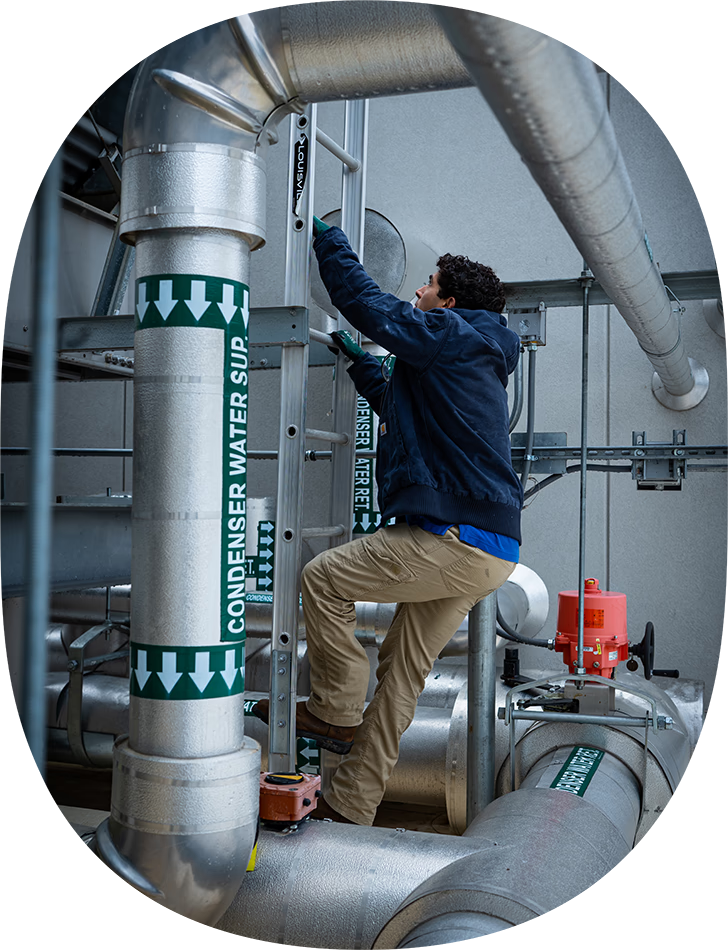

Prioritize the right customer conversations

Flag risk before it becomes urgent

Connect service activity directly to future revenue

Why this matters now
Electrification mandates. Refrigerant phase-downs. Aging infrastructure. Workforce shortages.
Learn what's changing across HVAC and why leading contractors are investing in better asset data.
Better visibility drives better outcomes
With XOi, teams know:
Where risk is building
What needs to be replaced

Which customers to engage