3 Keys to Improving Your Customer's Indoor Air Quality
.webp)

Key Takeaways
See what your customers can't
Capturing photos and videos inside ductwork gives customers access to areas they'd never inspect themselves.
Get ahead of end-of-life equipment
XOi's Journeyman Platform helps techs predict when a unit is approaching end of life, including units too old to properly ventilate pollutants.
How to Sell What Your Customers Can’t See
Welcome to allergy season.
If you're one of the 50 million Americans who suffer from allergies, this time of year can bring a wide range of symptoms — runny noses, itchy eyes, congestion, and shortness of breath, to name a few.
While some allergy-causing pollutants come from outdoors, many originate inside the home. Mold, dust, pet dander, and airborne chemicals can all hide in plain sight within indoor spaces and HVAC systems.
Even though customers may not physically see these irritants, they still experience the effects of poor indoor air quality (IAQ).
Today’s customers are more aware than ever of indoor air quality and overall home cleanliness. Let’s explore the leading causes of poor IAQ and how field service providers can help customers breathe cleaner, healthier air.
Common Causes of Poor Indoor Air Quality
Allergens
Common allergens like dust mites and pet dander collect on:
- Furniture
- Fabrics
- Carpets
- Bedding
- Decorative surfaces
These irritants can circulate throughout a home via the HVAC system and contribute to allergy and asthma symptoms.
Mold
Mold is a fungus found both indoors and outdoors.
Outdoor mold commonly grows on:
- Damp leaves
- Rotting wood
- Grasses and grains
Indoor mold is often found:
- Near water leaks
- In bathrooms
- In basements
- In humid spaces
- In overwatered houseplants
When mold is disturbed, it releases spores into the air that can enter the sinuses and lungs.
Scents, Chemicals, and VOCs
Many indoor products release invisible airborne particles that impact air quality.
Common culprits include:
- Candles
- Perfumes
- Potpourri
- Wax warmers
- Cleaning products
- Paints
- Building materials
- New carpeting
Many of these products release Volatile Organic Compounds (VOCs), which “off-gas” into indoor air and may worsen allergy or asthma symptoms.
Improving Indoor Air Quality
Studies have shown that the most effective ways to improve IAQ include:
- Reducing pollutant sources
- Filtering airborne contaminants
- Removing buildup from HVAC systems
- Increasing ventilation with clean outdoor air
Customers experiencing allergy or respiratory symptoms may not realize their HVAC system is contributing to the problem.
Proper inspection and clear communication are key to identifying and solving IAQ concerns.
1. Visually Document HVAC System Issues
When indoor allergens are present, HVAC systems must operate efficiently to properly filter pollutants from the air.
However, most customers don’t know what to look for when diagnosing HVAC-related air quality problems.
Using Photos and Videos to Build Understanding
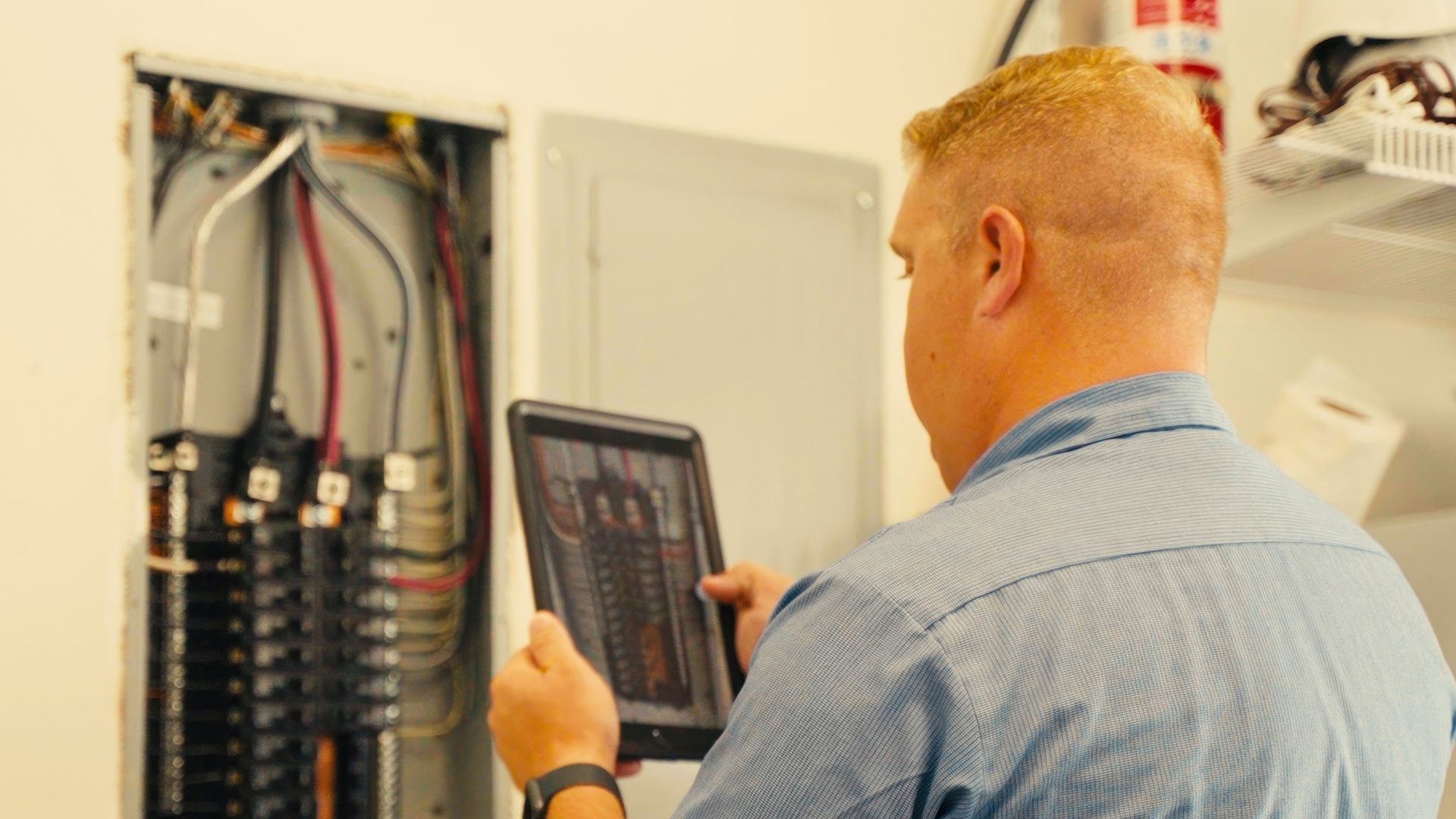
When technicians use tools like XOi Technologies Vision to document dirty, aging, or ineffective equipment, photos and videos help customers clearly understand the root cause of their IAQ issues.
Visual documentation makes it easier to communicate:
- Dirty filters
- Dust buildup
- Mold growth
- Worn equipment
- Airflow issues
- Aging HVAC systems
This transparency can help customers make informed decisions about maintenance or equipment upgrades.
Predicting End-of-Life Equipment
With the XOi Technologies Journeyman™ Platform, technicians can proactively identify HVAC systems approaching end-of-life status.
Older systems may no longer ventilate pollutants effectively, making preventative recommendations especially valuable before peak allergy season begins.
2. Inspect Hard-to-Reach Areas
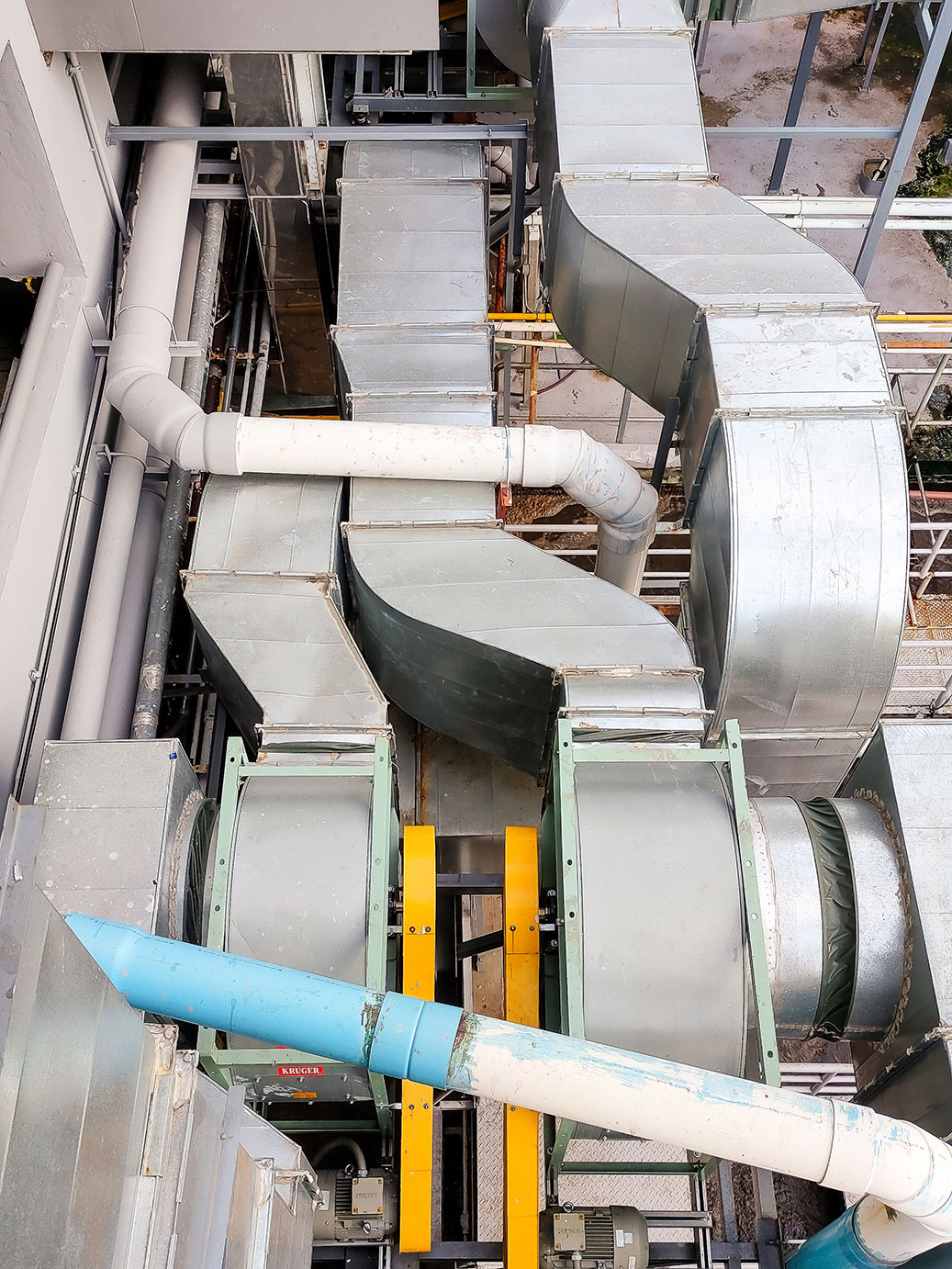
Technicians are responsible for inspecting difficult areas like ductwork and internal HVAC components for:
- Mold
- Mildew
- Dust buildup
- Excess dander
Most customers understandably do not want — or are unable — to inspect these areas themselves.
Providing Remote Visibility for Customers
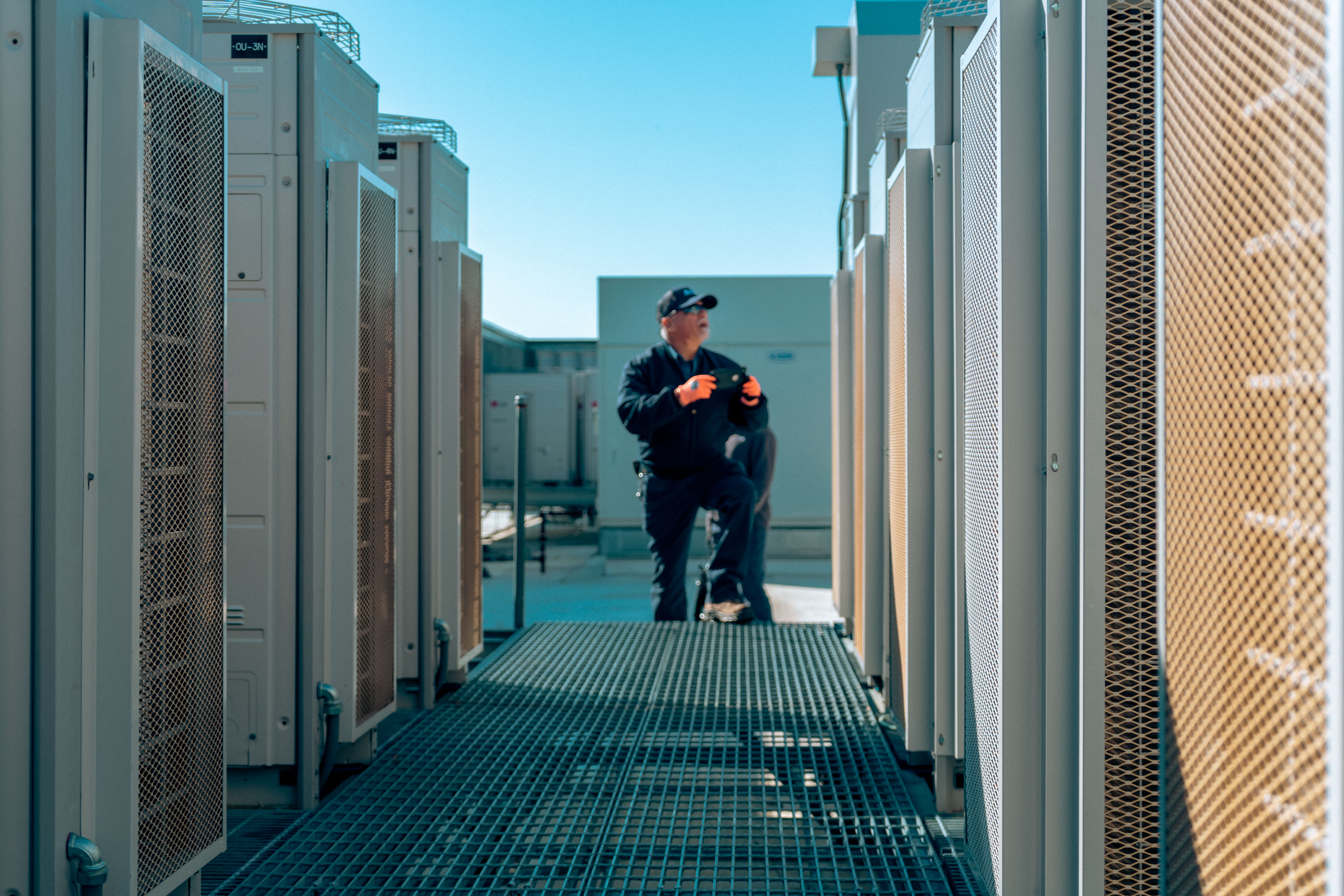
Technology that captures visual content in real time allows customers to remotely see areas they otherwise couldn’t access.
These visual reports can then be shared with:
- Customers
- Sales teams
- Home offices
This creates opportunities to proactively recommend additional maintenance or air quality improvement services based on documented conditions.
3. Show Before-and-After Results
Encouraging customers to schedule annual maintenance visits can help address IAQ issues before they become serious problems.
Recommended HVAC Maintenance for Better IAQ
Routine maintenance should include:
- Cleaning ductwork
- Replacing air filters
- Inspecting system performance
- Managing humidity levels
In humid climates, installing a dehumidifier can help maintain healthier indoor humidity levels. Ideally, indoor humidity should remain around 40%.
Demonstrating Maintenance Impact
Technology that visually communicates before-and-after results helps customers better understand the value of regular HVAC maintenance.
Even if customers cannot physically see airborne irritants, they can often feel the difference that a clean, properly functioning HVAC system makes.
With solutions from XOi Technologies, technicians can document maintenance results and deliver customized reports directly to both customers and internal teams.
Creating Cleaner, Healthier Indoor Environments
With so many factors impacting indoor air quality, field service providers must remain organized, proactive, and detailed when identifying solutions for customers.
By combining strong communication with visual documentation and preventative maintenance strategies, HVAC professionals can help customers maintain healthier indoor environments while building greater trust and long-term service relationships.
FAQs
What are the main causes of poor indoor air quality in residential and commercial spaces?
The primary culprits are allergens like dust mites and pet dander, mold and mildew growth in ductwork, and volatile organic compounds (VOCs) from building materials, paints, and cleaning products. All of these can worsen significantly when HVAC systems aren't maintained.
How can HVAC technicians help customers improve indoor air quality?
Techs can document ductwork conditions with photos and video, recommend filter upgrades or unit replacements based on equipment age and condition, and schedule annual commercial HVAC maintenance visits to address IAQ issues proactively before they affect occupants.
What role does HVAC maintenance play in indoor air quality?
Regular HVAC maintenance removes pollutant sources, improves ventilation, and catches problems before they worsen. Annual or seasonal visits give techs the opportunity to recommend IAQ-specific solutions and document current conditions for customer transparency.
How does XOi support indoor air quality assessments for HVAC contractors?
XOi lets techs capture in-the-moment photos and video from hard-to-reach spaces, then share them directly with customers and sales teams. This visual documentation makes IAQ issues real for customers and creates a credible basis for recommending remediation services.
Can HVAC technology predict when equipment needs replacement for indoor air quality reasons?
Yes. XOi's platform tracks equipment age, service history, and performance data — helping techs identify units that are too old to properly filter or ventilate air. Proactive replacement recommendations can prevent air quality issues before they become health concerns.
Need more help?
Reach out to our team for guidance on your specific situation
Explore more on this topic
You might also be interested in these resources

.jpg)
.jpg)
.png)
.jpg)
.webp)
.webp)
.png)




Ready to put your asset data to work?
See how XOi turns asset intelligence into better outcomes for every stakeholder in the field service ecosystem.