
Why Equipment Data is the Key to Sales Success


Key Takeaways
Equipment data drives sales performance
Accurate, structured asset data enables faster quotes, better scoping, and more confident customer conversations.
Lack of visibility leads to lost opportunities
Without clear asset insight, sales teams rely on assumptions, slowing deals and reducing trust.
5 ways to use equipment data to make your sales process more profitable
In a market facing margin pressure, equipment data has become the foundation of profitable sales. Here are five ways to put it to work.
1. Start with a complete equipment Inventory
You can’t sell strategically if you don’t know what’s on site.
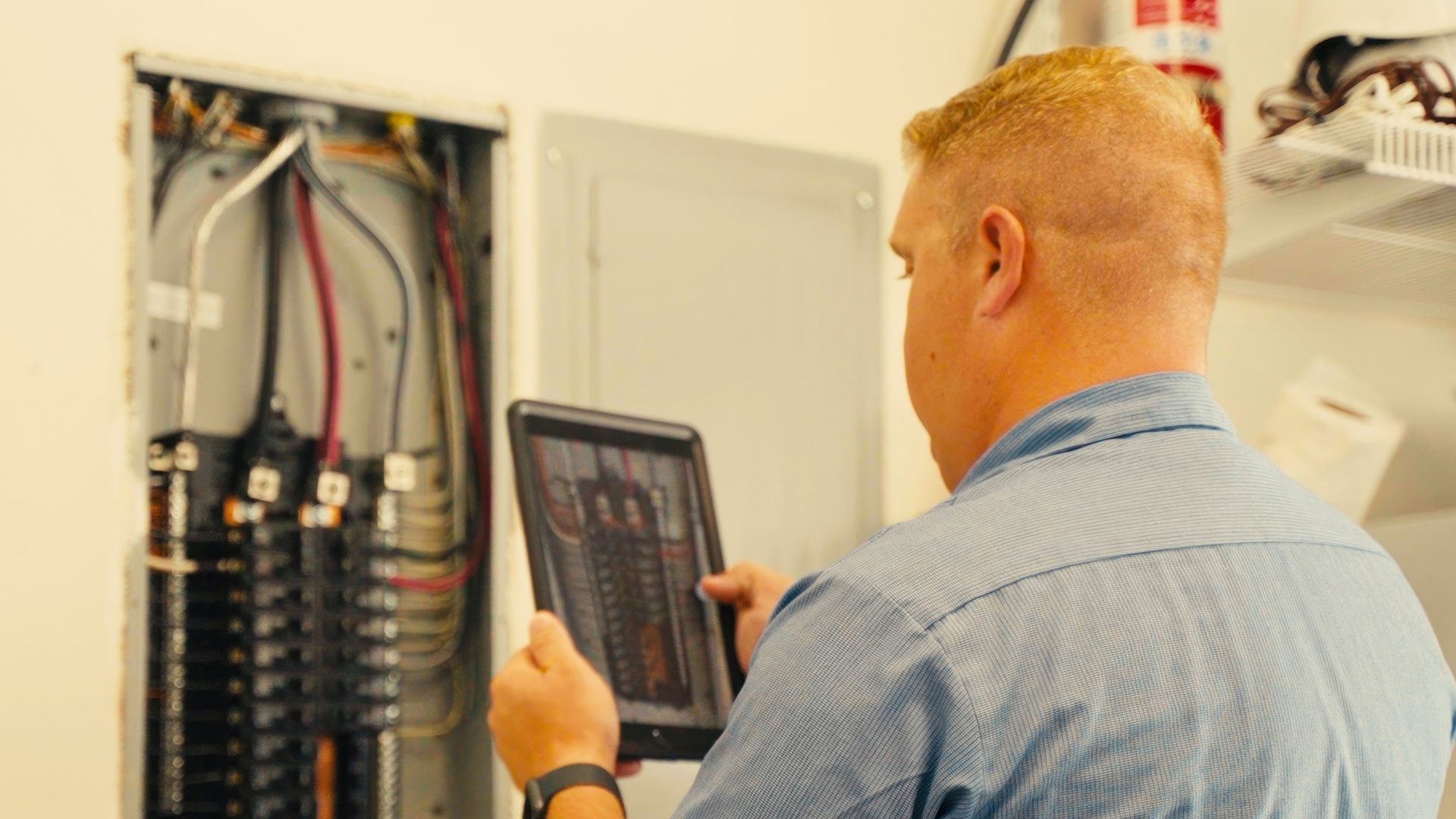
Relying only on scattered, manual notes of strictly make, model, and serial numbers leads to delays, rework, and lost margin. Sales teams need a single, accurate equipment record captured directly at the jobsite automatically, and without extra effort from the field.
2. Look beyond surface-level with data enrichment
Basic equipment data tells you what an asset is, not how it’s performing or where it is in its lifecycle.
Enriched data adds critical context like asset specifications, performance history, failure trends, and compliance requirements. Your field service technology solution should automate data enrichment, so sales teams gain real insight at scale without manual effort.
3. Quote faster without sacrificing margin
Speed only matters if accuracy comes with it.
Clean, contextualized equipment data, accessed from a single source, allows sales teams to quote quickly, align with historical pricing, and avoid overpromising or under-scoping. When quotes match jobsite reality, trust increases and margin is protected.
4. Lead capital planning conversations
The best sales teams don’t wait for equipment to fail.
With data visibility into aging, inefficient, or high-risk assets, sales can guide customers through multi-year capital plans. AI-driven insights help model future scenarios, shifting sales from reactive transactions to proactive strategy.
5. Align sales with risk, compliance, and sustainability
Modern buyers expect data-backed guidance.
Enriched equipment data highlights compliance gaps, safety risks, refrigerant exposure, and energy inefficiencies, so sales teams tie recommendations to risk reduction, efficiency, and sustainability goals.
BONUS TIP: Let AI do the heavy lifting.
AI-powered tools can transcribe technician and salesperson observations, extract structured equipment data from photos and dataplates, and surface patterns humans would miss. This means cleaner records, faster insights, and less time spent chasing information — freeing sales teams to focus on customer conversations, not paperwork.
XOi has launched our Advisor solution, a suite of sales and capital planning tools. Advisor, and more specifically our Site Survey tool, turns manual assessments into guided, AI-powered experiences, automatically capturing complete equipment records through natural conversation.
With XOi, sales teams stop acting like vendors and start operating like trusted advisors, helping customers plan ahead, reduce downtime, and make smarter investments.
Need more than these 5 tips? Download our Ultimate Capital Planning Guide for Field Service Leaders.
FAQs
Why is equipment data important for sales in field service?
Equipment data gives sales teams visibility into asset condition, configuration, and lifecycle. With accurate information, teams can build precise quotes, reduce rework, and communicate clearly with customers. This improves win rates and positions sales as informed advisors rather than reactive vendors.
How does equipment data improve quote accuracy?
Accurate equipment data ensures quotes reflect real jobsite conditions, including asset specifications and current state. This reduces scope gaps, pricing errors, and unexpected changes during execution. When quotes align with reality, teams protect margin and build trust with customers.
What happens when sales teams lack equipment data?
Without reliable equipment data, sales teams rely on assumptions, leading to delays, rework, and missed opportunities. Incomplete visibility makes it difficult to scope work correctly or prioritize opportunities. This slows the sales cycle and increases the risk of losing deals to better-prepared competitors.
How does equipment data help sales teams sell more strategically?
Equipment data reveals trends like asset age, performance, and risk, enabling sales teams to identify future needs. This allows them to guide conversations around maintenance, replacement, and capital planning. With this insight, sales teams lead proactive discussions instead of reacting to immediate requests.
How does connected equipment data improve sales performance?
Connected equipment data brings field, sales, and operations into alignment with a shared view of each asset. This reduces time spent searching for information and improves consistency across quotes and proposals. With better visibility and speed, sales teams can respond faster and close deals with confidence.
Need more help?
Reach out to our team for guidance on your specific situation
Explore more on this topic
You might also be interested in these resources

.jpg)
.jpg)
.png)
.jpg)
.webp)
.webp)
.png)





Ready to put your asset data to work?
See how XOi turns asset intelligence into better outcomes for every stakeholder in the field service ecosystem.