
Battling Inventory Shortages in the Trades
.webp)

Key Takeaways
Diagnose before you dispatch
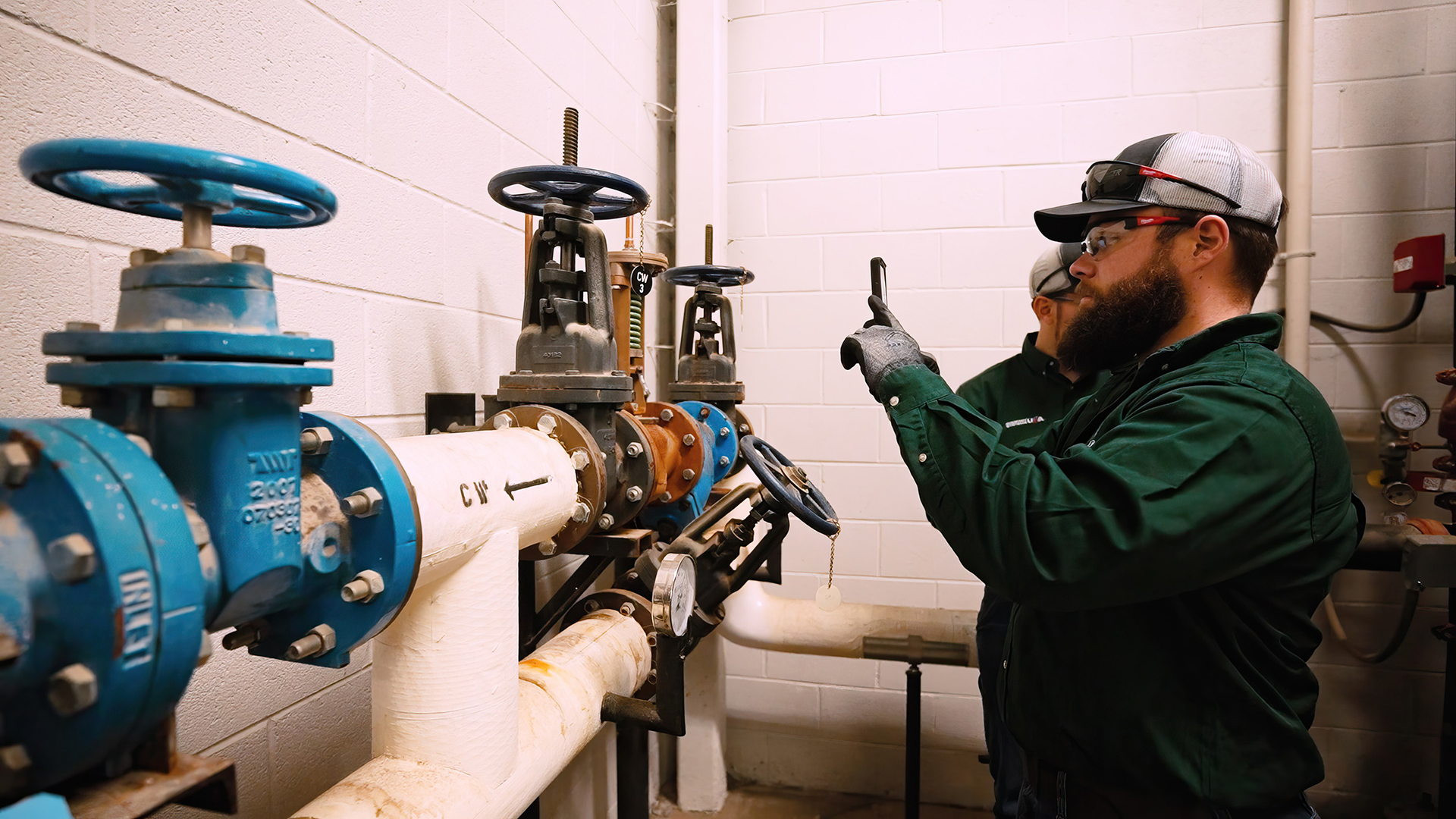
Remote diagnostics let teams survey a site, identify the issue, and order the right parts before a tech ever rolls a truck.
Train techs to work with what's available
When preferred equipment isn't in stock, techs may have to work with unfamiliar alternatives.
3 Ways To Combat Extended Lead Times & Backordered Equipment
For decades, manufacturers and distributors across many industries have relied on lean or “Just-in-Time” (JIT) inventory systems.
The Just-in-Time Manufacturing philosophy focuses on producing and delivering goods precisely when they are needed in order to minimize excess inventory and improve operational efficiency.
Industries ranging from:
- Automotive
- Retail
- HVAC
- Kitchen equipment
- Construction materials
have successfully operated with lean inventory systems for years.
However, ongoing disruptions caused by the pandemic significantly strained global supply chains and exposed vulnerabilities in these systems.
The Impact of Supply Chain Disruptions on Field Service
Within the field service industry, pandemic-related restrictions on:
- Labor
- Shipping
- Manufacturing
- Travel
created widespread shortages of equipment and materials.
Some notable impacts included:
- 94% of Fortune 1000 companies reporting supply chain disruptions
- Winter storms in Texas causing major shortages in PVC pipe, plumbing supplies, coatings, and packaging materials
- Kitchen equipment lead times doubling from 4–6 weeks to 10–12 weeks
As businesses reopened and demand increased, already depleted inventories faced even greater pressure.
How Service Providers Can Respond
Although supply chain disruptions continue to challenge the trades industry, there are several proactive strategies field service companies can use to better support their customers and operations.
1. Increase Focus on Preventative Maintenance
When replacement equipment is difficult to obtain, keeping existing systems operational becomes even more critical.
Extending Equipment Lifespan
Routine preventative maintenance helps:
- Reduce unexpected failures
- Extend equipment life
- Improve efficiency
- Minimize emergency repairs
During inventory shortages, preventing avoidable breakdowns becomes especially important because replacement parts or units may not be readily available.
Benefits of Preventative Maintenance
Research consistently shows strong operational and financial benefits from preventative maintenance programs:
- Robust maintenance programs can significantly extend equipment lifespan
- 80% of maintenance personnel favor preventative maintenance strategies
- Preventative maintenance can generate a 545% ROI
- Proper HVAC maintenance can reduce energy use by 15–20%
Preventative maintenance also creates stable recurring revenue opportunities for service providers year-round.
2. Help Technicians Work With Available Equipment
One of the biggest frustrations for technicians is identifying a failed component only to discover replacement equipment is unavailable or backordered.
As shortages continue, technicians may increasingly need to work with unfamiliar systems simply because those are the only available options.
Supporting Technicians With Better Resources
To help technicians adapt, organizations should provide access to tools and resources such as:
- Equipment manuals
- Wiring diagrams
- Training videos
- Digital knowledge bases
- Real-time virtual support
These resources help technicians troubleshoot unfamiliar equipment more efficiently and confidently.
Real-Time Assistance Improves Outcomes
Technician enablement platforms from XOi Technologies allow field teams to access documentation and remote support directly from the job site, reducing downtime and improving first-time fix rates.
3. Combat Extended Lead Times With Remote Diagnostics
With lead times at historic highs, identifying needed parts as early as possible is critical.
Diagnosing Problems Before Arrival
Remote diagnostic tools allow service teams to:
- Survey a site virtually before dispatch
- Identify likely equipment issues
- Determine required materials in advance
- Order parts sooner
This reduces delays and improves scheduling efficiency.
Using Video Communication to Save Time
Remote video communication tools also help technicians and supervisors collaborate more effectively before and during service calls.
By diagnosing problems earlier, companies can reduce:
- Repeat site visits
- Delayed repairs
- Unnecessary truck rolls
- Customer downtime
Navigating Ongoing Industry Challenges
The field service industry continues to face challenges related to supply chain disruptions and labor shortages.
To remain effective during uncertain market conditions, service providers must focus on:
- Proactive maintenance
- Technician support and training
- Faster diagnostics and planning
- Better operational visibility
By adopting modern technician enablement tools and preventative service strategies, companies can continue delivering reliable customer service despite inventory and supply chain challenges.
FAQs
How have supply chain disruptions affected field service and HVAC businesses?
Supply chain issues have led to significantly extended lead times — in some categories, doubling from 4–6 weeks to 10–12 weeks. Parts shortages force technicians to work with unfamiliar or substitute equipment, increasing the importance of in-field knowledge and support tools.
How can HVAC and field service contractors manage inventory shortages?
Key tactics include performing remote diagnostics before dispatch to identify needed parts early, using virtual video tools to survey sites ahead of time, and arming techs with knowledge bases and live support to work confidently with substitute equipment.
How does remote diagnostics help during equipment and parts shortages?
Remote video diagnostics allow techs or customers to assess the issue before a truck rolls — identifying exactly what's needed so parts can be ordered in advance. This reduces wait times, prevents unnecessary site visits, and keeps jobs progressing despite backordered inventory.
How does XOi's knowledge base help technicians work with unfamiliar equipment?
XOi provides instant access to 100,000+ manuals, wiring diagrams, and service bulletins — searchable by equipment make and model. When a tech is working with substitute or unfamiliar equipment, the knowledge base delivers the documentation they need to complete the job correctly.
What is the role of live virtual support when techs encounter unknown equipment?
XOi Mentors provide real-time video support from experienced technicians when a tech encounters unfamiliar equipment or a challenging repair. This live guidance prevents errors, speeds up job completion, and builds technician skills without requiring an additional on-site resource.
Need more help?
Reach out to our team for guidance on your specific situation
Explore more on this topic
You might also be interested in these resources
.webp)
.jpg)


.webp)

.webp)

.webp)
.png)




Ready to put your asset data to work?
See how XOi turns asset intelligence into better outcomes for every stakeholder in the field service ecosystem.