Talking Out Our Assets | Ep. 4: Can structured data change the contractor-customer relationship?
Listen On

In this episode of Talking Out Our Assets, J.P. Cahalan sits down with Pete Shimkus, Head of Data at XOi, and Irv Aristy, Service Operations leader at Farmer & Irwin, to discuss how structured asset data is changing the relationship between contractors and customers. The conversation centers on the growing demand for clarity across field service, where customers increasingly expect faster answers, proactive guidance, and recommendations backed by real asset information.
Pete breaks down how specification data, operational guidance, and performance data work together to create true asset intelligence, while Irv shares how Farmer & Irwin is using structured workflows inside XOi to create consistency across every service interaction. Together, they explore how fragmented information limits visibility, slows decision-making, and creates operational friction — while structured data creates opportunities for faster service, stronger customer communication, proactive capital planning, and long-term strategic partnership.
Episode 3 transcript: Can structured data change the contractor-customer relationship?
J.P. Cahalan (00:01)
Hello again, everybody. I’m JP Cahalan and welcome to another episode of Talking Out Our Assets. We have a fantastic podcast for you today. I’m bringing Irv Aristi and Pete Shimkus together to talk about the ability to allow end customers to plan for the future and essentially the contractor’s role in that. Now, what you’re going to see in this podcast is that it all starts with structured data capture.
Irv’s going to tell us how they were very deliberate in the workflows that they created utilizing the XOI tool to get the necessary data in a structured and uniform way, no matter the call. Then we’re going to hear from Pete. Pete’s going to talk to us about the three pillars of data and how when you have these three pillars, it allows us to unlock insights that are insanely valuable, not only internally, but also most importantly for that end customer from the contractor perspective.
Last and final, we’re going to wrap up with talking about what are the capabilities of the future? How can we utilize data to take it even further and strengthen that relationship between a contractor and an end customer going from kind of a service provider to a service advisor? Let’s get started.
J.P. Cahalan (01:23)
right, good morning or afternoon, everybody, depending on where you are. My name is JP Cahalan. I’m gonna be leading us through this episode It’s gonna be a fantastic conversation with two very intelligent people. One of those people is not me. I’m just here to facilitate and moderate. I have some great guests that are gonna talk us through with their experience in regards to what customers are expecting these days.
in the space and what essentially the capabilities are of helping these end customers prepare for the next three, five, 10 years of their facility management. Now we all know that for the longest time, customer expectations have been growing and growing and growing simply because the access to data is so at our fingertips.
And so with people’s expectations that are growing, what is the expectation of a provider? What is the expectation of being able to advise somebody and walk them through what they should be doing with their equipment based on the current state and everything that has happened with it historically? That’s going to be part of the conversation today for those of you that have joined anything in regard to XOI and in particular, we’re going to wander in the wilderness, talk about all the things.
You are allowed to swear, you are allowed to make fun of each other, but you can’t make fun of people that are not part of the WIPP. All right. Well, I’m going to take it over to these two gentlemen and allow them to introduce themselves,
I’m gonna let Pete from XOI introduce himself and then he’s gonna take it over to Irv and then we’re gonna get off and running.
Pete Shimkus (03:01)
JP, what’s up man? Thanks for having me. ⁓ So I lead data here at XOI and that spans a variety things. Data science, all that good stuff, but the simple the simple way I’d say my role here is to take all of this service, all this equipment data. It’s super messy. How do we bring it to life so that we can actually improve operations for organizations each and every day, delivering it even down to technicians through people who make.
huge financial decisions about equipment. I have the unique benefit of having quite a bit of perspective. And I think it’s really, really helped me here at X and Y. But my background is I’m actually a registered civil engineer. I’ve done engineering for quite some time. I was in commercial development. I’ve also looked after large scale facility and project management, things like cost consultancy on how you optimize your cost.
And then obviously I was part of a founder at specifics which specialized in equipment data enrichment. And at XOY here, I’m really, really proud to bring it to life and keep innovating and bringing intelligence and insights directly to our customers. ⁓ Irv, I’m going to pass it your way.
Irv Aristy (04:19)
Hey, thanks Pete. ⁓ It’s hard to follow that, but ⁓ my name is Irvin. I go by Irv. Super easy because somehow Irvin is a super cool name, but somehow everybody messes it up. So I keep it real simple. I-R-V. If you mess that up, me and you can’t be friends.
J.P. Cahalan (04:37)
That’s right.
Irv Aristy (04:39)
I’ve been doing this for a long time. My dad was kind of in the industry. He worked for Western Beef in New York. And he used to bring me on Saturdays when they used to do half days. And he used to work on some of the AC and refrigeration equipment. And he used to kind of sneak me in. And we used to hang out. And I started learning how to work on stuff during that time. And although I didn’t take a loving to it till I was, you
in my late teens. So when I was 19, I actually started the trade. went to apprenticeship and I did my apprenticeship in New York. And from here on out, I went through a little process and I ended up here in Florida and worked my way up. And I’m here at a farm in Irwin now. I’ve been here for nine years. A really good group, a bunch of really good people. We’re a mechanical contractor, so we do.
Pretty much everything from resi to commercial to industrial. that’s about it.
speaker-1 (05:38)
With your position down at Farmer & Urban, you and I joke all the time, and just so everybody knows, I know Irv, we’ve got a good relationship. I always tell Irv, he wears a ton of hats. I love the fact that he’s wearing that red New York Yankees hat right now, representing. But give the audience a little bit about what your day-to-day is, your responsibilities, your ownership of things down at Farmer & Urban.
Irv Aristy (06:02)
So I’m responsible for all the day-to-day operations within the service division. we work on, you know, from chillers to, you know, from, like I said, residential equipment to, you know, cooling towers. Like today we’re dealing with a crazy project. We were just replacing a pump and the guys found a bunch of corroded piping and now the building’s gonna be down probably till midnight. Cause now we have to, you know, we have welders on standby. So now we have.
We got welding and that’s the beautiful thing about Farmer in Irwin, We have problems that arise every day, but we have the logistics to get things done. So we’re dealing with that. this is, every day is a challenge because when you’re in the service side, you don’t know what every day brings, right? You start off your day in the morning, it can be hectic or it starts off quiet and then boom, something goes off. And that’s the beauty of service, right? Every day is.
different and a challenge, but when you have a team that can just get the job done, it’s something that I’m really proud of and I get to lead that team. So I’m pretty excited about that.
J.P. Cahalan (07:06)
That’s awesome brother. Last question before I of kick things off officially. You you obviously lead in the service side of this. As you have seen in your years with Farmer on Erwin, are the expectations of your end customers growing in regards to them leaning more on you guys to suggest what they should or should not do in regards to kind of, hey, repair or replace? I know that’s always been a thing, right? But are they coming more so to you guys now to say,
Give us the time, let us know what we should be doing and what you’re seeing from other end customers that you guys may service. Is that a thing?
Irv Aristy (07:42)
Absolutely. It’s a thing. And I’m glad you brought that up because that’s probably where this discussion today is going to take us on this beautiful journey. ⁓ It’s the expectations. The customer’s expectations are changing, right, with the times. Because of social media and, you know, I had a customer the other day talk to me about he saw a YouTube video about
some guy doing a maintenance and the guy was doing all this and he was asking why we don’t do that. And so it’s just, this is where we are today, right? There’s so much information out in the public now that before you never had access to. So now everyone has access to it. So they want to know why you’re not doing it. You know, and it’s almost like if you don’t have those answers, you’re not going to be able to, to
keep up with the times, let’s say, right? Cause everything’s evolving right in front of our eyes, right? Think about what we were just talking about before we started this, the Blackberries and the phones and the pager and your flip phone. I need you to show that. here we go. phone, hey. know, customers don’t want to see a flip phone, man. They want to see, you know, we were talking about web versus, versus Macs earlier. So we’re evolving, right? So if we don’t evolve, you know, what happens to,
J.P. Cahalan (08:45)
course,
Irv Aristy (09:01)
things that don’t evolve, they become extinct, right? So we don’t want to become extinct. We want to evolve with the times and we want to evolve with our customers. And man, I tell you, not to plug you guys, because I told you, I should work for you guys because I love you guys so much. XOI has helped me plug that and just that little bit of gap that we had, man, we’ve closed that gap. So, so fantastic, man. I’m amazing. Just yesterday I had something happen and
customer was looking for something and I was able to search it, send it within two minutes. And the guy was so impressed. Pictures, videos were on there. It’s like, it’s like anything else you need. Like, Nope, we’re good. And haven’t heard a peep for two days. That’s amazing, dude. When I tell you, I’m just amazed.
J.P. Cahalan (09:48)
It’s a powerful thing, man. And I, you know, we said it for the longest time and it’s, it’s kind of one of those things where you don’t know when you’re going to need it, but you’re definitely going to need it. And like, it’s, you know, I don’t know if people out there are baseball guys or whatever, like we all want to hit home runs, but getting people on base with walks and singles is a critical element. And that’s what that utilization right there, the capturing of the data. And you said something interesting. You said, yeah, my cousin went to YouTube. They watched something and now they’re asking me, Hey, why aren’t you doing this with
No regard for if that is the right thing to do, the wrong thing to do, completely inaccurate. That comes down to again, the accessibility to data. now Pete leads our data science team over at XOI. Pete, you said something earlier. I want to kind of make sure that we table set what people know that is. So I’m going to ask you to give me a rundown on what enrichment is by XOI. But I’d also love to understand from you, you just heard her talk about how evolving customer expectations.
We think about that from a data perspective. How do we kind of support evolving customer expectations through this data element? So if you don’t mind kind of giving a rundown on that, and then talk to me a little bit about how you view the world in regards to data for contractors to provide them.
Pete Shimkus (11:03)
Yeah, right on. OK, let me let me let me ask this question JP back and then I’ll and then I’ll do that. When’s when’s the first time you remember hearing the word enrichment like this wasn’t a thing? So I’m just curious like when is the first time you literally remember hearing that word and then maybe hearing it applied to even like the service industry?
J.P. Cahalan (11:25)
It wasn’t applied to the mechanical space for me. I heard the word and I probably honestly probably heard it maybe three times in a different context of a different industry and that was it but like I never before.
Pete Shimkus (11:37)
Yeah,
you know, it’s funny. I’ve changed my tune on this. used to think enrichment was just this fancy, make yourself feel important word. The truth is, anything, but it’s such an impactful word that, that, know, in context of say what we do, there’s a couple of flavors of enrichment, but in simple terms, we can take something that feels abstract. Like give me a model number that’s on that main plate of that equipment.
And then you’re like, well, what do I do with that? Our enrichment and just enrichment capability in general allows someone to return great high resolution information about say a piece of equipment off just a simple little string like a model number. And so when you think about interactions day to day, if you’re a field technician, like what type of does this particular piece of equipment have? You know, and if you think back even not just recent times,
You’d have to look this stuff up in a manual. You might see that refrigerant type say pure on and something else that you’re like, what even is that,
Irv Aristy (12:42)
Pete, you may not even know what it is.
Pete Shimkus (12:45)
That’s exactly the point, right? So I think let me me hit that or that’s a great point. Just being able to understand what something is is one battle and filling in like complete give me some complete information. But then the other battle is is this information uniform so that I can kind of apply that scale? And so I joke. By show of hands, how many variations of the spelling Mitsubishi have we seen? In an equipment database.
There’s about like 17 different ways. And it just goes to show you that even basic limitations like is my spelling correct? Have I harmonized this so that we’re calling a package unit a package unit? These very simple premises, they enrichment allows you to get much more out of your information. So hopefully JP that that’s kind of a high level, but I think part of this journey that most organizations are on.
They’re solving for how do I just get information like Irv mentioned. And then the next wave of sort of recognition is how do I start applying this? And that’s where you’ve got to make sure that you’ve got really uniform quality data that you can start to use for your benefit.
J.P. Cahalan (13:57)
Got it. No, that makes total sense. Hopefully we got the level set on the enrichment. I’m going to flash up some numbers later on about the enrichment from Berv’s utilization and his team’s utilization of XOY and what we’ve just literally been able to enrich the code understand just from these pictures of these data plays. But you talk about the data element. So I want to take it back to Earth, you’ve been on XOY for how long have you and your team been on XOY?
Irv Aristy (14:22)
Four months, think, right? We started probably four months, yeah.
J.P. Cahalan (14:24)
All
And you guys are absolutely killing it and you’re doing it very well. You guys have created some structured workflows, some data collection elements that allow you to capture certain, know, particularly necessary things out in the field. What has that structuring of data to know that consistency exists? What has that done for you at an opera? Let’s stick to an operational level for your, your job and your role. What is that collection method done for you in regards to
five months ago when you didn’t have Excel.
Irv Aristy (14:54)
So I think clarity is probably the most important word that I can use. So one of the things our customers expect is clarity. So we use a very outdated system on our ERP. it’s something that, in order for me to get the information to the customer, it takes time to find the right information that they’re looking for. So when we started using XOI,
and I was a new user at it I didn’t really understand what it can do for me. I I kind of knew that it was gonna be something good, but I didn’t understand how great of a tool it was gonna be for what I do every day. From a management standpoint, right? Cause you’re managing customers, you’re leveraging information, you’re doing this and that, right? I’m only as good as how fast I can get the information back to the customer. Cause one of the things that drives a customer away is
wasting time. If they have to wait for you for three or four days to get the information that they’re looking for, they’re to go find it somewhere else, man. And if someone else already has it at their fingertips, they’re going to be able to spit it out in a snap of a finger. Did you hear that snap of a finger? So they’re to be able to snap and get it. I can’t, like we said, evolve with that, then I’m going to be left behind. And I don’t want to be left behind, right? So one of the things that it has helped me with is that clarity.
the story I told you guys, someone was looking for, you know, they want to know what was done to the ice machines and they wanted to know, you know, what do we do when we showed them before and after pictures of videos and all, I couldn’t get that before. You couldn’t because our platform was not able to do that. We can upload information. We can upload, you know, pictures and all that, but it took too much time to gather it and put it all together with a snap of a finger. I can, you know, click on something.
share the link and it’s there at the, mean, I’m telling you, it was instantly and they were so impressed that how fast they were able to get the information. And I said, I haven’t heard a peep from them for two days. And before, you know, you’re, getting phone calls or text messages. Hey, do you have that information yet? My boss, cause you know, somebody always has to report to someone and the person that’s looking for the information is never the person in charge. It’s always someone that they’ve delegated that information to to get it. And then that person is the one.
that we deal with and then if we can’t get him, like we don’t make, if we don’t make him look good, you know, they’re going to find somebody else to make some of that. So that, that, that’s one of the things I could say that it has helped us tremendously.
J.P. Cahalan (17:26)
Understandable. Yeah, the clarity is a huge one. And I view that from two perspectives the same way as kind of that ability to engage with the customer. There’s clarity that happens in real time and being able to put the fire out right now. And the unique thing about what you guys are doing with XOI and how enrichment rolls in is you’re documenting all these things on these calls, layering in the enrichment, layering in what’s happening. So we’re providing clarity in real time.
But also as we think about that expectation of, hey, help me plan for the future, that clarity doesn’t stop there. It just continues to compound as we go through the journey ends of that customer’s portfolio, that customer’s contract and all of those things. So it’s a very unique position to be in where the execution of what your technicians are doing is helping in the here and now and in the future.
Irv Aristy (18:19)
One of the things I wanted to add to your point is we’re creating a story, XOI is helping me create a story, right? There’s a beginning, there’s a middle and there’s an end. What’s the end result, right? We want to get the customer back up and running as quickly as possible. We want to give them the information that they need to make those conscious, especially in today’s economy, man. Like look what’s going on with gas prices and the uncertainty of money. They want to know how are they going to spend their money in the next, you
fiscal year, right? That’s that clarity I’m talking about. But we’re also painting, painting this, we’re creating a story, we’re painting a picture for them. Hey, here’s your equipment now. Here’s what it looks like. Here’s what you need to do. that’s, that’s where I know that that’s where that’s where Pete’s gonna gonna take us to next. But that’s what I wanted to just add to you is like, you guys have helped me create a story, a story of each piece of equipment that the customer has. Let’s put it that way.
J.P. Cahalan (19:15)
That’s a tee up right there. How important is that story for as we think about the future and helping people plan?
Pete Shimkus (19:21)
Yeah, I mean, it’s absolutely critical because you have a you have sort of your start, middle and end and then you’ve got the what’s next. And I think in terms of when you think across large organizations who are spending significant capital on there’s kind of like two forms that that people struggle with. You’ve got your OPEX category, which is are my maintenance budgets adequate and aligned to the condition and kind of nature of our equipment. And then you’ve got the
How do I know when it’s time to invest and sort of recapitalize the portfolio? It’s time to replace these equipment with modern ⁓ units. I think the way I’d see a lot of compounding value, and this is a little bit of the uncomfortable nature of sort of the industry is that service providers have not historically been asked to be data companies. And this is like a huge challenge. So if I have a history of information on a particular piece of equipment,
Am I able to use that same information to get to in the future a more predictive lens on that? And not to get too tangential here at JP, but I think about the competitive nature of the industry and Irv definitely will have a take on this. But when you think about typical service contracts and things that are three to five years in nature, you’re always trying to out-compete the competition. I think…
Data is proving to be a key differentiator in the sense that you’re able to help organizations optimize their financial spend, whether again, it’s on your maintenance side or if it’s on your more capital replacement side. I’m curious, from your lens, ⁓ for your end customers, how…
How critical do they view being able to tell this sort of end-to-end story? Are they seeing this clearly and how are the demands kind of increasing in your business because of that?
Irv Aristy (21:19)
So glad you said that. So one of the things I always talk to people when we have just conversations is what separates me from the next AC company, right? Because we’re all going to do the same exact things. We all have service technicians. all do the same exact things. We all offer the same services. So what separates us from the next person, right? And one of the things that I’ve been able now to leverage is XOI, man. Here we are.
you’re going to be able to give you the same services that your other company has. But we’re also painting this, this beautiful picture for you where you’re going to have clarity, right? You’re going to have ownership. think I talked to JP about, I’m also giving my customers a chance to help me with the workflows, right? Where, Hey, is this something you want to see on the workflows? Is this something you don’t want to see on the workflows? Is that information pertinent to you? So I’m getting that feedback from the customers, right? Cause I want them to, Hey, here’s your
Here’s your workflow, right? In the beginning, we’re working something out. Here’s where, and that’s where I think people need to like really open their eyes and just view this, not just as a tool that you just, you guys are just throwing at them and they’re just gonna plug something in and this is what you have. I mean, it’s a blank canvas for you to create whatever it is you feel like you need for your business and your vision of what you want, you your company to look like, right? So I’ve…
I’m pretty sure someone else will have differences of opinion of how we do XOI, but for me, my customers, the feedback they’ve given me have created the workflows that JP has seen. And then we’ve added more different workflows for certain customers. You can line this up however you feel like. You can have workflows for particular customers that they don’t want to see everything. Some, like the hotels, they want to see because they work on CapEx budgets every year. So they want to see
longevity, they want to see this. those that’s where you can kind of shift your focus, not have this, you know, because that’s the thing we make the mistake sometimes of putting every single thing into one basket and treating it as such you can’t do that. You’re gonna be unsuccessful in this life. If you just view everything the same, you cannot, right? You have to look at things the way they are each each individual.
each individual customer, each person is going to have what they feel is necessary for them. So if we don’t listen, right, and the beauty of XOI is we can listen and then we can execute. Right? So you guys have helped me not only on my side, I’m listening, but then I could also execute, right? You guys have helped me through that whole process. You guys have helped me through that whole thing and me being able to edit, right? The edit button is amazing. I had a tech in here complaining about something the other day and we’re like, Hey, come here, let me show you something. You see this edit button right here?
You know, it’s like gone. It’s done. That’s how easy it is. It’s gone. Now you’ll never, oh, okay. Cause yeah, it was double, double. It’s like, yeah, I kind of realized it was double. Cause now, you know, a primary star is asking us to do kind of the same thing. So I didn’t realize that was still there. So it’s gone. now no more. So it’s like, Oh, that was that simple. Yeah, that’s Gone. So that’s the beauty of it, man. Simplicity, you know, the, the, the, the clarity I talked about, you know, helping our customers, pushing things ahead.
having them understand that, this is exactly what I need. I had a customer tell me, hey, this is exactly what I was looking for. You guys are doing fantastic, right?
J.P. Cahalan (24:47)
That is great to hear. I love the fact that you’re taking a collaborative approach with your customers in regards to the workflow. I’m to put you on the spot here with a question that will lead into me asking Pete a version of the same thing. When you think about your engagement with that collaborative approach with your end customers.
From your sense, do you believe that they are asking for information that solves the here and now and validates work? Or do you think there are some pieces of information in there that they are already seeing is going to be a future utilization for them to better plan and capital plan and project?
Irv Aristy (25:25)
Easy answer, both, right? Because we’re in a service industry, right? Our customers need here and now, but they also need, what do I need for the future, right? So, hey, here’s your suggestions for here and now, right? And now here’s your long-term solution, right? And that’s where the whole thing with capturing the data and you guys are able to offer us longevity. We can see longevity and I could offer that to the customers, right?
Here’s your hearing now, but hey, this piece of equipment is now 15 years old. You know, you’re, you’re still running R22. You’re still, you know, that’s the beauty of it. Right. So to answer your question, both, right. They can, they can get to the here and now, but they also see that clarity. We talked about is the longevity because you were giving them everything. Right. And that’s what they want. They don’t want you to sugar coat and, and hold back. Right. You’ve got to tell them, Hey, you’re, this is has to get done. You can do this now, but you also.
have to do this later. They love that approach, man. It’s been really good.
J.P. Cahalan (26:30)
No, that’s perfect. That’s exactly I mean, I did not know the answer to that question when I asked it, but it’s exactly what I wanted to hear. that’s good. Pete, as you think about that in your previous career, right, and kind of managing the spend of things and ensuring that you’re picking the right spots, and let’s call it mitigating kind of risk is what were your expectations? And I know it was a I don’t want to age you out, man. But I mean, this was years ago. But you look great. What were your actual
Irv Aristy (26:56)
He
says the guy with the flip phone.
J.P. Cahalan (26:59)
I know, right? So the guy whose blue phone buttons are this big. What were your expectations of what you should get from contractor providers and solution providers such as Urbanist?
Pete Shimkus (27:10)
Yeah, I think, man, I’m going to do my best to not go on too much of a tangent here, but I’d start with just one word, which is consistency. And I think there’s historically been this gap between I might be servicing equipment, but what information should I collect on that? And if I take that one notch further, I’m going tie it to what Irv just said, because Irv said R22 and my spidey sense goes up. But it’s one of those things that I can tell you. the pressure in the industry is being applied in various ways and it hits an owner-occupier, that end customer, and then they just keep pushing it down on others. And so when you think about the regulatory climate and how safe refrigerant is being ⁓ just highly regulated, what types of reporting requirements do I have to fulfill as the underlying owner of this facility? It is exponential and the pace that these, I’ll call it regulation and requirements and capital constraints, all these things are colliding. And as a result, people are, they need consistency. Do I understand the refrigerant type for every single piece of equipment? Because if I knew that, I could then automate in a workflow, how do I report and meet the regulatory requirements? So there’s just lots of pressures that are coming in.
J.P. Cahalan (29:43)
Are you talking about a simple structure, something like this?
Pete Shimkus (29:45)
Yeah, right on. Where’d that come from?
J.P. Cahalan(29:48)
I’m
magical. I’m magical in the background. Yeah, walk me through this. just kind of talked us through it, but in your world, as you think about the A, your position in X or Y with the data element of this, and then B, what you just talked about, how you have these expectations of words such as consistency and clear view. Is this as simple as it can be? It’s like, I just need to be able to do these pillars correctly.
Pete Shimkus (30:13)
Yeah, honestly they are. They’re what I would call a series of toll gates. And so if you viewed it as just like, let me get through toll gate A then move to B to C. think visibility in things like workflow, guided operations, these things drive visibility. And I think IRV has just given us like huge examples of this in real time.
Irv Aristy (30:36)
That’s clarity I was talking about right there.
Pete Shimkus (30:39)
Absolutely brilliant. Yes, Yep, spot on. And I think it’s one thing to have visibility and then to get to that next tollgater, the kind of level the video game, as I say, there needs to be a high degree of structure. And this feels like a chess match because you’re asking yourself, do I have the right data points I need so that I can then ultimately move to action? And so if I tie these three things together,
In a workflow, you’ve got technicians interacting with equipment and confirming things like what is its refrigerant type. That refrigerant type has to be structured so that you can enrich that and you understand exactly this refrigerant type, all these other things you might need to know even down to like what is the refrigerant charge by circuit. And then the action gets converted when you start to automate regulatory and compliance tools.
things that have been historically done by hand and the limitation there is that it’s just never up to date. So I think like with one simple example, just using refrigerant, you can work your way through each one of these toll gates and it just keeps scaling. It just keeps scaling. so ultimately you’d want such visibility as an organization that you can say, I see this piece of equipment at your facility and I have extraordinary knowledge.
that in year 13, there is high risk of a compressor failure. That’s taking visibility to action and it very, very useful and applicable.
Irv Aristy (32:12)
Wow. Telling that story, man. That’s a story. Here’s where we are. Here’s where we were. Here’s where we are today. That’s that clarity, the visibility, the structure. But when it comes to structure, for the people that are listening who are maybe thinking about
J.P. Cahalan (32:13)
Okay.
sIrv Aristy (32:34)
XOIs, you guys have to know exactly where to take that information and how to use it to your best ability. So that structure side, you have to know
what you want to do like with us now, we’re getting proposals back to the customers in real time. Like we’ve been able to get approvals for proposals now while the techs are still on site. Because as soon as they hit okay on something, emails are going out to my people and they’re processing these events and we’re able to take the pictures and the data tag, no more calling the tech, hey, was that a Z?
Or was that a B or was that, Hey, your picture looks a little distorted. It’s there. Extraction is there. We’re able to send that to the customers. We’re able to plug that into our, to our sites with our parts. Right. So we’re able to turn it around faster. Right. So that structure has to be built by us, which is the end user. Right. So yes, the visibility and everything is there, but it’s what it’s how we structure it. That makes a difference to that end point, right. Telling the story and.
We’re going to guide the middle portion of that, right? Of that story. And the end result is customers happy and we’re making money in the process, right? So think about that,
J.P. Cahalan (33:49)
Love that. I’m gonna pull up
more slide because I want to, you you just kind of talked about it. I want to show so everybody can kind of understand where we are. We’ve just heard kind of a good synopsis of how this is all working, the structure for the story and what that can actually end up being. And so when you think about that specification data, these are the things that Pete has been talking about. These are the things to being able to get your refrigerator in tight and get to circuits and get to all this information. Irv’s talking about that operational guidance.
And so the interesting thing about what Irv and his team are doing with these XOR workflows is he is setting himself up and his team up for the ability to plan proactively better than anybody else. And here’s why that’s happening. Irv, you just mentioned you have a workflow that they’re capturing that on a service call. I’m assuming when they have additional work, it launches out to something else, then emails the team. Is there a data plate inside of that workflow for the additional work? Okay, great.
That data plate has all that specification data, which is our top box. The second box right there is the operational guidance. So because of what you are doing, Erv, your team and ultimately the customer in the long term and near term knows that additional work, a quote is needed for this particular serial number. Now here’s where things get interesting. The last thing is performance data. Pete talked and said something very, very clear. He said, we know.
with almost a high degree of certainty. then Pete, I try and be mindful of all your word choices. High degree of certainty that this will fail at 13. The reason you get there is because I have specification data of that make model serial in the factory specs that allow me to get to a configuration level that most do not get to. And then I am layering in real interactions from the field on top of those things. And Irv, that is what you are setting your team up for
is this ability to be able to say, here’s the value of the here and now. and by the way, in the background, we are building a performance data set that allows us to take the expert view and tell you with a high degree of certainty, this will fail next year. That is the power of how you deal with vast amounts of data. It’s not manual entry. It is allow tools to work for you. So with that said, I’m gonna back up.
Real quick right here, and you’re gonna see me click through these slides. I wanna show you your data. And I tried to de-identify this as best I could. You guys have been on XOI for four months. I can tell you that based on the equipment that gets captured, 15 % of the assets that have come through XOI in total, 15 % or 80 % of their useful life for that equipment type were beyond. 10 % of these are 100 % are beyond.
And so for everyone out there that’s listening, you got to understand what’s happening here. A technician is doing an action and IRV is being able to categorize all this information just from that one picture. We’re able to see that there’s 660 pounds of R22 out there. That’s only three and half percent of the assets. You guys have done a fantastic job of removing that obsolete refrigerator. But I can also tell you, here are the 36 customers. So how do you help people capital plan, project plan and take all those
regulations and compliance is into consideration and keep us talking about you got to know what and you got to know where
Pete Shimkus (37:13)
this.
Irv Aristy (37:13)
Yeah,
clarity baby clarity
J.P. Cahalan (37:18)
And then this is the one of the things that I love. 19 % of your customers have three or more assets that are literally defined by Ashray standards beyond their usefulness.
So is part of this. Yeah, Pete, go ahead.
Pete Shimkus (37:34)
I want to hop on that because you gave me an opening because something I probably should have highlighted is that especially when you think about that last bucket where you were dropping some insights, like this portion of equipment is definitely beyond useful. What’s interesting is when you really start to aggregate this stuff at scale because in a past life, I used to define this as sometimes the insights that organizations are seeking represent two flavors, distance to you.
and distance to industry. And what I mean by distance to you is within the things I’m touching and interacting with, how do I make sense of that and compare? But the more bold, the more powerful kind of insight is the distance to industry, meaning I could tell you, for instance, working with Fortune 1000s that a typical ⁓ distributed real estate portfolio has somewhere in the ballpark of 60 % of equipment beyond useful life.
I mean, it’s shocking. So you can start to see these patterns and you can start to apply them and you can say, what are my peers doing? How would they think about it? And so it’s just, there’s a level up even from that slide that says there is so much power in understanding how others are sort of using this information, where they might benchmark themselves in a couple of those categories. And it really just drives positive behavior.
Because if you didn’t realize, for example, that besting class would be somewhere around 35 to 40%, you now can cope somebody through how to get there and where you should focus those investments as a simple example.
Irv Aristy (39:18)
Yeah. And JP, we also talked about that structure part of what you do. So I’ve also now have my team going through those reports just like that. And we’re sending proactive proposals to customers and it’s in their hands, right? And if just to say they’re looking for capital X numbers, we have, Hey, we gave you these proposals a year ago and now we’re 12 % higher because you guys sat on it. So these are the things that you could actually use to your advantage.
give to your customers and they’ll have that data right away versus waiting for something to happen. We’re in a proactive business, not a reactive business. Service, yes, is a lot of reactive, but it doesn’t have to be. And I think this is where XOI and AI is going to help us become more proactive versus reactive. And that’s how you maintain the longevity of your customers is being proactive, not reactive.
Pete Shimkus (40:13)
You said when you started, said every day is different and I love that. And it’s funny because my take was, isn’t there a beautiful world in the future where it’s like, I actually know what’s in store tomorrow?
J.P. Cahalan (40:26)
Stop.
Irv Aristy (40:27)
That this and that’ll be a boring world in my view, man. I love the chaos. I do. love the chaotic. I mean, every day is like a Monday and I love it. That service that this, you know, wanted that kind of world. I would have been a
J.P. Cahalan (40:43)
There
go. There you go. Irvi, you said something there that I kind of find interesting. It goes on what Pete’s talking about.
the distance to you and then distance to industry. Are you seeing more of your end customers and probably, you know, I’m not trying to belittle anybody, maybe more sophisticated access to more data that are leaning on you guys to say, hey, where do I stack up in the industry? What, how am I doing? Because everybody always, I mean, it’s human nature to compare yourself to something else, to make yourself feel better. Are you seeing more of that now from?
your end customers or do you think if you’re not, do you think that’s going to be the way the world goes?
Irv Aristy (41:28)
So I’m glad you said that. we’re not there yet, but I think we’re going to get there because of this, right? So we’re, we’re once, you know, we’re, we’re so new at this that, you know, I’m going to be able to compile a world of data, right. And on the next fiscal year, once we got a full year of XOI, right. I want to start creating like a dashboard per customer so I can show them, Hey, here’s where you were last year.
Here’s where we wanna be this year, right? Here’s the things that we believe this year you should attack. Here’s the like, you have to use all this to your advantage, right? It’s not so much, yeah, I’m gonna get all this information and just put it in the file somewhere and open it whenever I please. You gotta be on top of it, man. This stuff is at your fingertips, it’s right then and there, it’s moving, right? You can’t ask for something and then just put it to the side, right?
I’ve been asking for this. think I told you, I was asking for this. And when primary star came on board, they’re like, we got it, baby. And I was like, yes, let’s go. And we just started rocking, man. And it’s been so helpful to my everyday and the guys are loving it. And that’s the thing, right? If your leader is buying in, the rest of the team will buy in and then you’ll start seeing results because it’s there, man. You got to have a vision, right? At first, you got to have the vision.
Right? Here’s where I think we’re failing. And XOI helped us, you know, bridge those gaps and the customers, some of them, and you know, might be there, but they’re not there yet because we have never been able to give them this kind of clarity before. Right. And the new customers are going to be spoiled, right. Because they’re here, right. Now they’re spoiled because this is not what they’re, this is what they’re used to now. Us giving them this and the old customers are like blown away.
but the new customers are spoiled. So I can’t wait to hear what the new customers are saying, hey, why aren’t you doing this? And I’m like, man, I thought we had all that covered. So it’s fantastic, man. It’s a fantastic thing.
J.P. Cahalan (43:39)
⁓ You talk about, you bring up the element of what this is and people have long talked in this industry about, you hear a peripheral conversation about a customer portal and all these things. And in reality, your customer doesn’t want a portal. They just want data and clarity. That’s all they want. And so what you’re doing and what you’re talking about with, I want to create this dashboard is taking that to say, hey, I’m going to provide you the story, the data and the clarity. And we’re going to work together.
to plan out what we need to do. that to me, Irv, is I think you are approaching it, a tool like this, as exactly as you should in the state of the world that we are. And I think you’re doing, I mean, you and your team are doing a hell of a job. Go Pete.
Pete Shimkus (44:25)
Absolutely, I was going to, totally agree. think, Irv, you know, part of the way I’m seeing things from my perspective is the service industry is becoming an insights business. And this is the reality of competing moving forward and to make somebody feel credible and have a great degree of confidence in your service capability, it’s likely in the future going to be informed by reporting on benchmarks. And I use kind of this
It might be a poor, but straightforward analogy, JP. But think about when you compete, you have to share your safety record. Right? That’s a pretty well established thing in the construction industry. And people evaluate the merits of basically your firm based upon things like safety performance. moving forward, and I don’t think it’s a very bold leap, is people are going to want to know.
How do I stack up versus my other peers that you’re servicing? And how do I think about having an equipment portfolio that’s 80 % beyond useful life? What action should I take? I’ll give you one other interesting take here. When I used to work with Fortune 1000s, they’d go out to RFP for, mechanical maintenance and service, ⁓ RFPs. The requirements that they had were 30 years old.
They’re not even in tune with what you should do to optimize. And I think that’s where people like IRV are on the forefront where with guided operations and a very detailed workflow and the insights that you can exhaust off that, you can almost inform people, this is the type of maintenance activity we should do, which will equate to extending the longevity of that equipment, for example. Like clearly time one action to an outcome.
And I think that that’s the big shift I’m seeing. And I think ERV is validating a tremendous amount of it as well today.
Irv Aristy (46:26)
Yeah. How many times have we kicked ourselves in the ass for not ⁓ putting some money up on Bitcoin or putting some money up on, on Apple, right? And by, yeah. And now we’re like, let’s get in now. That’s how I feel. Like some people are trying to get into this, into this industry right now. Right. And then in this AI world, like you, you, got to catch lightning in a bottle, right. Once, right.
You can’t wait for it to happen. And all of a sudden, now everybody wants to walk around with a bottle and try to catch it. I don’t want to be that. I don’t want to be that person looking on the backside again. I want to be on the forefront of all this stuff. So I’ve been pushing. I’ve been pushing and pushing because I want to get ahead of this. I want to get ahead of this industry. I want to get ahead of what’s coming next. Cause like you have to like pizza, you have to foresee the things that are coming, right? These regulations, think about the percentages of my customers that are still on R22 dude, we’re we’re too refrigerant later, baby.
Yeah, like here you are. You’ve missed the first phase out. Now you’re going to now you have to get to the next one. So and then the price point if you would have hit the 410 and then you go into 454 maybe you would have been but now you’re going from our 22 and 454 or our 32 you’re going to get you’re going to get hammered man. And then we’re the ones that look like the bad guys like no it’s not us man. You missed out. It’s like someone asked me this morning about a price for something. Was that a fair price? I was like yeah.
Oh my God, it’s that much? I was like, yeah, dude, have you noticed the prices on equipment now? It’s to the roof. So it’s like, yeah, that’s actually a fair deal. It’s not going to take that price. So you got to look at the world for what it is, man. Let’s get ahead of this. get reactive, right? Don’t be proactive. Proactive costs you a lot of money, right? Reactive, you get to save a little bit because you’re planning ahead. And if you plan ahead, you look like a hero, not a zero, right?
Pete Shimkus (48:19)
No.
J.P. Cahalan (48:19)
I understand that. Yeah, that is a, you you talk about all those things and I go back to kind of the aspect of AI, right? AI is literally changing the world. It’s changing how people work. People are just going to take jobs, not going to take all the jobs. Like it’s never going to impact or take your technician’s job and roles and all these things. To use AI best, in my opinion, you have to have an amazing data set.
you have to collect structured data and it has to be a depth of data. And that is what you are doing with your structured approach and what’s happening. And then with this layering on the enrichment, this is how we can get to being proactive like you’re talking about, which is I’m going to allow myself to get to configurations of things that other people cannot get to because I know more because this is the data.
I always use vehicles as the analogy because everyone has went in search for a vehicle. Everyone has went to buy a new vehicle and you don’t just go look for a Ford truck. You are looking for a Ford F-150 that is a super crew, that is this engine size, this thing, this thing, this thing.
And then you’re starting to say, because of Coronado and Kelly Blue Book and all this stuff, what’s the performance or the ratings for these things? And that is what you are setting the stage for and what all this can unlock. In my personal opinion, how you can proactively plan is I can’t go and say, yep, carrier rooftop units. That’s so generic. I need to be able to say it is this carrier rooftop unit that is this size with this configuration in Florida.
because that’s different. Here’s how it operates. And so that is, know, when we think about the world in the herb, sounds like you think about it the same way. You have to take all the necessary configuration and data points and make them actionable. And that’s where you are because to your point, we are in a place where money is tightening around everything. I need to get a end customer to a world where they can aim small and miss small. That’s the best.
Pete Shimkus (50:28)
It’s all about informing investors. I mean, the name of the game is how do you optimize and have this data set that helps best inform strategic decision making, which could be how I think about should I do more maintenance versus replace? Should I begin a multi-year phase out of certain refrigerant types and chip away? Should I think about decarbonization over time?
All of these things really track back to that theme you’re mentioning, man. So I think you’re spot on.
J.P. Cahalan (51:02)
Well, I got to ask a question to Thank you, Pete. I got to ask a question to her. Like, if you think about you guys using additional work through XLI, things are coming in, you know, hey, there’s a repair right here. Are you guys already or after this conversation, are you planning to say, hey, I’m to go look at the entire portfolio of this customer to see where they sit with kind of what should be changed? Because we may not even pitch a repair. Maybe we just need to lean in on the replacement because we already know what they have and where their portfolio is.
And this is an opportunity for us to chip away in peace words.
Irv Aristy (51:32)
Yeah. So that’s the story that I’m trying to paint because a service history is gold. If I can prove to you that it’s worth replacing this system, you know, come January when you’re new fiscal year comes because you’ve had X amount of repairs over the past nine months on this one piece of equipment, that’s gold, baby. That’s gold for you. Like as the end user, Pete, do you want to keep throwing money at this piece of junk or, hey, let’s get you a new unit with warranty?
you’ll save X amount of dollars on, you you’re to probably spend, you know, all this money just trying to repair this thing. So that’s where that’s going to come in handy. Yes.
J.P. Cahalan (52:12)
I got one question that came through that I want to ask because I love it. What is the biggest mistake you see teams make when trying to move to a more data-driven proactive operating?
Pete Shimkus(52:27)
me lead off JP. OK, I’ll lead off and then I’ll pass the Earth real quick. I think it has to do with structure. It’s one of those things where if you skip a step because it might be in the moment hard to appreciate. If I ask something and I get kind of four different levels of it, it might be hard in the moment to understand that that minor investment upfront is going to yield very meaningful insights.
J.P. Cahalan (52:29)
Yeah, that’s it.
Pete Shimkus (52:55)
on the back end, so to speak. And I think what I see in the industry is people who are looking to save time upfront, albeit might be seconds, but it has a catastrophic kind of negative compounding outcome where it’s like literally ask this question, be detailed about it. It’s not an inconvenience, yet, the catch here is
being able to articulate why this matters to structure it this way to drive a specific data point or metric or outcome that the business is needing. So to me, the miss is usually structure. Okay, Erd, what do you see on your side?
Irv Aristy (53:34)
So it’s interesting you said that because that’s kind of the way I view the same thing, but I’m looking at more from an operational standpoint, being ready. It’s probably one of the most, biggest mistakes that you can make through this whole process is not being ready for what’s coming, right? So you got to have the right team in place. Like I told you, JP, I already have the email set up to the people that I know are going to get this stuff out right away. So you have to be ready, right?
with the information, we’re going to give you the information, right? And I say we, cause I feel like I already work with these guys. We are going to give you this information at your fingertips. It’s what you do with that information next that you decide. This is, this is your fate to decide. XOI can’t decide the fate. They’re going to give you the data. They’re going to give you what you’re looking for is what you use that data. Like how you use the data is, is how it decides. Don’t blame others for your, for your faults, right?
You can’t blame XOI for you not making money when they’re giving you the chance to do it. Be ready. That’s probably the biggest mistake that people can make is not being ready operationally.
J.P. Cahalan (54:46)
That is, those are two, I will tell you this, as a guy who’s traveled the country and deployed this technology a lot of different places with a lot of different groups, those are two perfect answers. And I will say that because here’s one simple thing, structure. I know groups where they don’t actually get the accurate asset associated to the work being done. The downstream compounding effect of not being able to get the service history, which impacts spend, which impacts my ability to predict and project. Dude, that’s structure.
Asset to the work. That’s a simple thing. And the ready earth, man, I tell people all the time, it’s a crawl, walk, run game, but you got to start crawling. You got to start doing something. Doesn’t mean you got to do all the things. Figure out what’s going to win for you now and what sets you up for later. If there is a intersection of that use case or that element, by all means do it. So guys, I will tell you this. This has been a hell of a conversation. I’ve enjoyed it.
Irv Aristy (55:43)
We gotta do it again.
J.P. Cahalan (55:45)
Dude, Thank you guys so much for joining this. Everybody out there that has been listening to these two experts talk about the space and talk about kind of how they see the world, both into here, but also in the future. You got to sit down at a table with some really intelligent people and get a treat of what’s going on. So thank you guys so much. Irv, Pete, I owe you both a beer. I will do that next time. But otherwise, y’all have an absolutely wonderful day and we’ll see y’all against them.
Pete Shimkus (56:14)
Thanks, sir. Thanks, repeat.
Irv Aristy (56:15)
Thank you.
Explore more on this topic
You might also be interested in these resources
.webp)
.webp)
.jpg)
.webp)
.webp)
.webp)
.avif)
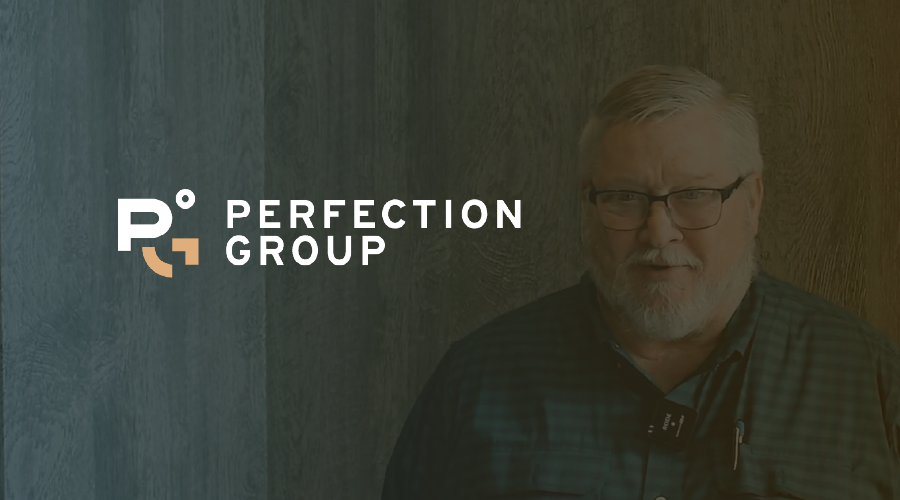



Meet your speakers
We only bring on the best

Ready to continue the conversation?
Dig deeper into how XOi transforms asset data into intelligence your entire operation can act on.